
Disclosure: This post contains affiliate links. As an affiliate, we earn from qualifying purchases.
Why 72-Hour Emergency Kits Matter
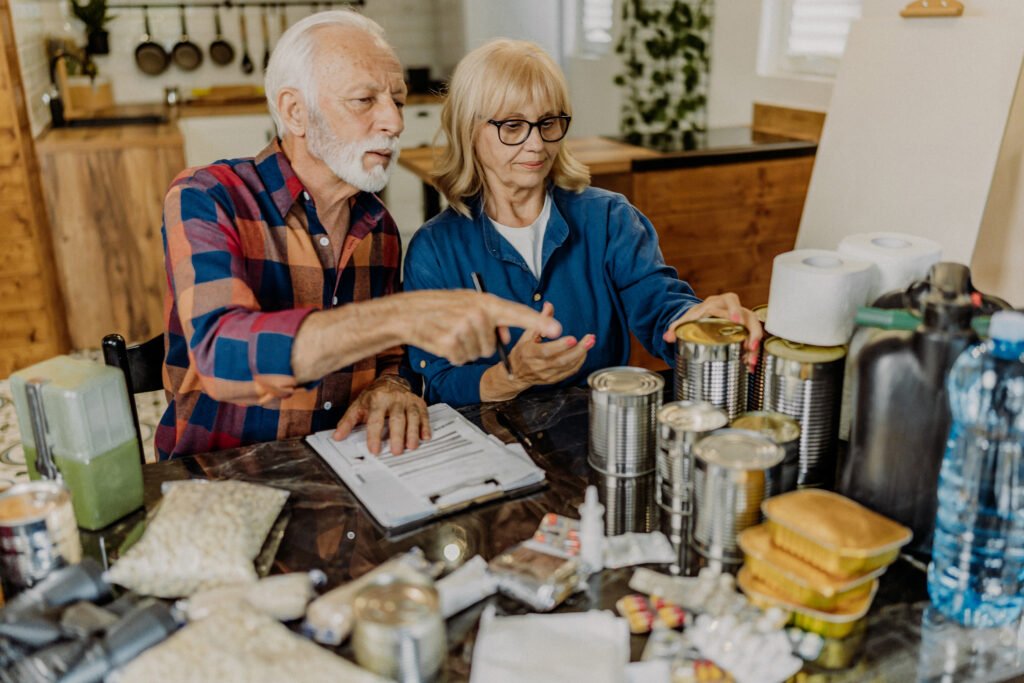
Key Statistics: According to the Federal Emergency Management Agency (FEMA), more than 60% of Americans are unprepared for a disaster, and 53% do not have a three-day supply of non-perishable food and water at home. When selecting foods for your 72-hour emergency kit, consider these essential factors:
- Caloric density to provide sufficient energy
- Nutritional balance to maintain health
- Extended shelf life without refrigeration
- Minimal preparation requirements
- Compact packaging to maximize space
- Dietary restrictions and preferences
- Psychological comfort during stressful situations
A well-planned food supply not only sustains physical health but also provides psychological comfort during high-stress situations. Familiar foods can offer a sense of normalcy when everything else feels chaotic.
Top 10 Recommended Foods for Your 72-Hour Emergency Kit
These foods have been selected for their nutritional value, shelf stability, ease of preparation, and space efficiency—all critical factors in emergencies.
1. Energy/Protein Bars
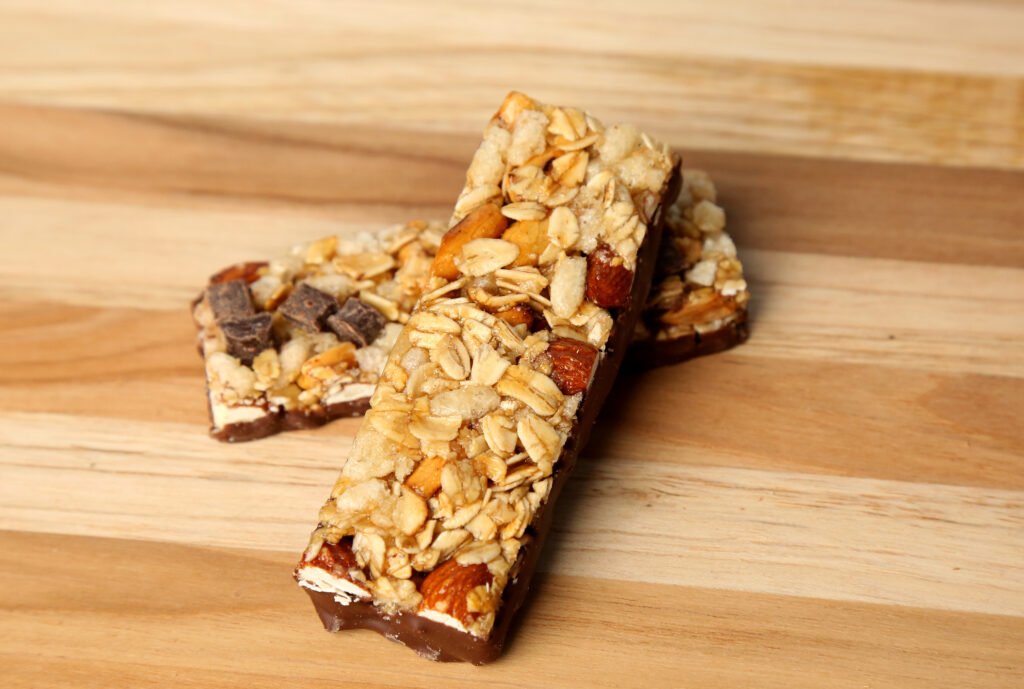
Energy and protein bars offer a convenient, ready-to-eat source of calories and nutrients in a compact form. They require no preparation and can be consumed on the move.
Pros
- Ready to eat with no preparation
- Compact and lightweight
- Long shelf life (1-2 years)
- Balanced nutrition in a single package
- Variety of flavors available
Cons
- Can be expensive per calorie
- May contain allergens
- Some varieties have high sugar content
- Can cause thirst, increasing water needs
Recommended Energy Bar Options
For optimal emergency nutrition, we recommend stocking up on high-quality energy bars with balanced macronutrients and a long shelf life.
Disclosure: As an Amazon Associate, we earn from qualifying purchases.
2. Beef Jerky and Dried Meats
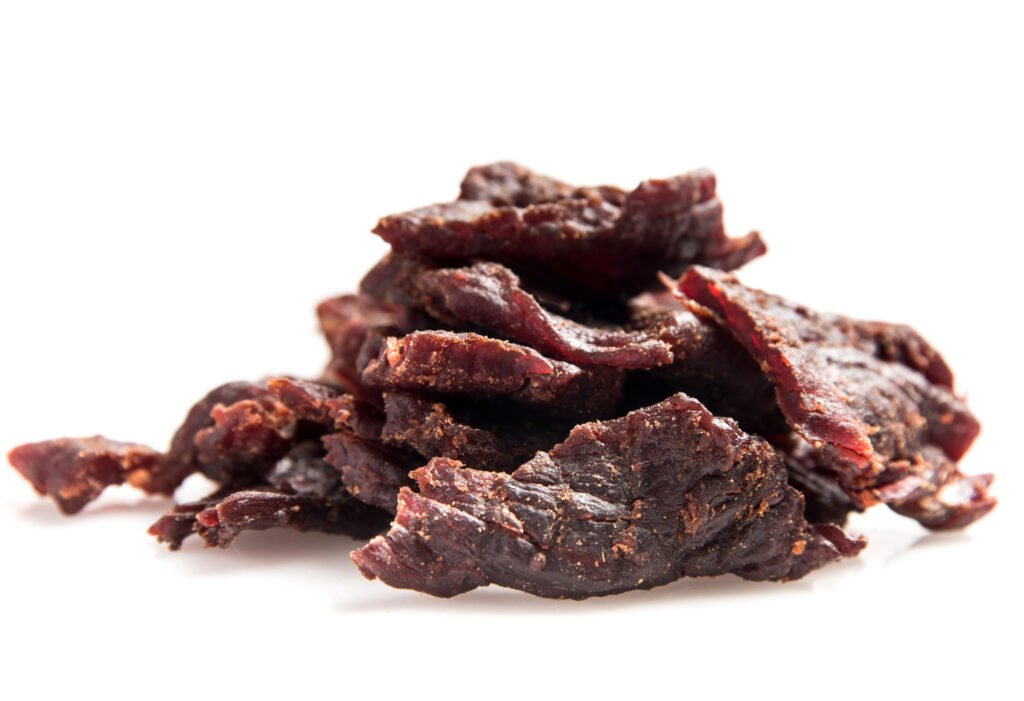
Jerky and other dried meats provide concentrated protein and fat with minimal water content, making them well-suited for emergencies when maintaining muscle mass and energy is essential.
Nutritional Profile (Average per 1oz): 80-100 calories, 9-15g protein, 3-5g carbohydrates, 1-3g fat, high in sodium (400-500mg).
Pros
- High protein content (10-15g per serving)
- Lightweight after dehydration
- Shelf-stable for 1-2 years
- No cooking required
- Satisfying to eat during stressful situations
Cons
- High sodium content
- Can increase thirst
- More expensive than other protein sources
- Limited variety in flavors
3. Peanut Butter and Nut Butters
Nut butters provide calorie-dense nutrition with healthy fats and protein. They’re versatile and can be eaten on their own or paired with crackers and other foods in your emergency kit.
Nutritional Profile (2 Tbsp): 190 calories, 8g protein, 7g carbohydrates, 16g fat, rich in vitamin E, magnesium, and B vitamins.
Pros
- High in healthy fats and protein
- Calorie-dense (190 calories per 2 Tbsp)
- Long shelf life (6-12 months unopened)
- Versatile for different meals
- Individual packets available
Cons
- Common allergen
- Heavy compared to some options
- Can be messy without utensils
- Requires water to wash down
4. Trail Mix and Nuts
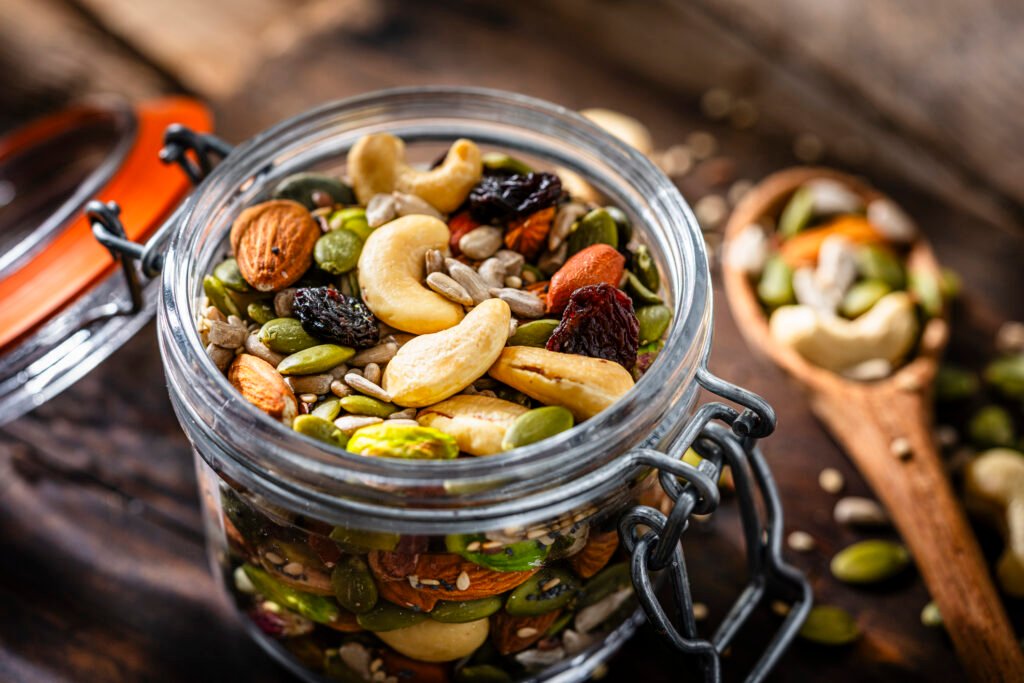
Trail mix combines nuts, dried fruits, and sometimes chocolate or grains to provide a balance of quick and sustained energy sources. The variety of ingredients offers a range of nutrients and flavors.
Nutritional Profile (1/4 cup): 150-200 calories, 5-8g protein, 15-20g carbohydrates, 8-12g fat, various vitamins and minerals from different ingredients.
Pros
- Balanced nutrition from multiple ingredients
- No preparation needed
- Variety prevents food fatigue
- Compact and lightweight
- Both quick and sustained energy
Cons
- Multiple potential allergens
- Can go rancid if stored improperly
- High calorie density may lead to overconsumption
- Chocolate components may melt in heat
5. Freeze-Dried Meals
Freeze-dried meals offer complete, hot meals with minimal preparation—just add water. They provide comfort and variety in emergencies while delivering balanced nutrition.
Nutritional Profile (per meal): 250-400 calories, 10-25g protein, 30-50g carbohydrates, 5-15g fat, various vitamins and minerals depending on the meal.
Pros
- Extremely long shelf life (25+ years)
- Complete meals with variety
- Lightweight after water removal
- Familiar comfort foods boost morale
- Many dietary options are available
Cons
- Requires hot water for preparation
- More expensive than other options
- Bulkier packaging
- Some have high sodium content
Premium Freeze-Dried Emergency Meals
Mountain House offers high-quality freeze-dried meals with a 30-year taste guarantee and simple preparation—just add water.
Disclosure: As an Amazon Associate, we earn from qualifying purchases.
6. Canned Tuna, Chicken, or Salmon
Canned proteins provide complete protein sources that require no cooking. They’re versatile and can be eaten on their own or combined with other foods in your emergency kit.
Nutritional Profile (3oz can): 70-120 calories, 14-20g protein, 0g carbohydrates, 1-5g fat, rich in omega-3 fatty acids (especially salmon), B vitamins, and minerals.
Pros
- High-quality complete protein
- Long shelf life (3-5 years)
- Ready to eat
- Familiar taste
- Pouch options available (lighter than cans)
Cons
- Heavier than dehydrated options
- Requires a can opener (unless pop-top)
- Strong odor may attract animals
- Empty cans create waste
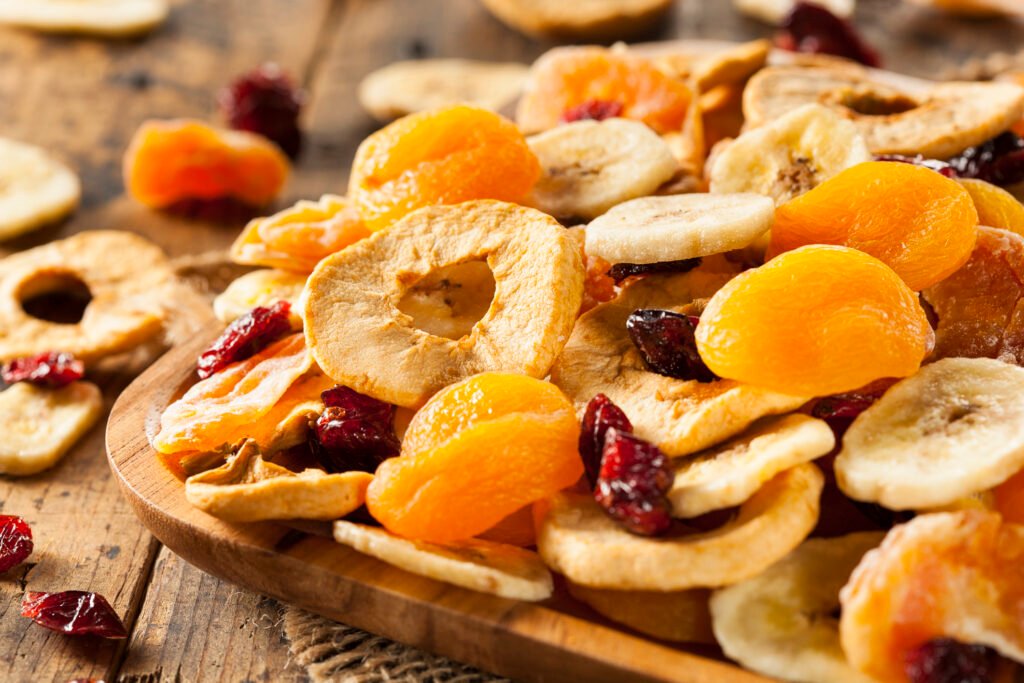
7. Dried Fruits
Dried fruits provide a quick energy boost from natural sugars, along with fiber, vitamins, and minerals. They’re lightweight, compact, and require no preparation.
Nutritional Profile (1/4 cup): 100-140 calories, 1-2g protein, 25-35g carbohydrates, 0-1g fat, various vitamins and minerals depending on the fruit.
Pros
- Natural source of quick energy
- Contains fiber and essential nutrients
- Lightweight and compact
- No preparation needed
- A variety of options are available
Cons
- High sugar content
- Can stick to teeth/packaging
- Some varieties spoil faster than others
- May cause digestive issues if consumed in excess
8. Instant Oatmeal and Breakfast Cereals
Instant cereals provide familiar comfort foods that are easy to prepare with hot water. They offer complex carbohydrates for sustained energy and are fortified with essential vitamins and minerals.
Nutritional Profile (1 packet): 100-160 calories, 3-5g protein, 20-30g carbohydrates, 2-3g fat, fortified with various vitamins and minerals.
Pros
- Quick and easy preparation
- Familiar comfort food
- Good source of complex carbohydrates
- Often fortified with vitamins and minerals
- Individual packets prevent spoilage
Cons
- Requires hot water for preparation
- Some varieties are high in sugar
- Lower in protein than other options
- Bulkier packaging than some alternatives
9. Crackers and Hard Breads
Crackers and hard breads provide carbohydrates for energy and serve as vehicles for other foods, such as nut butters or canned proteins. They add variety to emergency meals.
Nutritional Profile (6 crackers): 120-150 calories, 2-3g protein, 15-20g carbohydrates, 4-7g fat, various minerals depending on fortification.
Pros
- Ready to eat
- Versatile base for other foods
- Satisfying crunch and texture
- Whole-grain options available
- Familiar comfort food
Cons
- Easily crushed in packs
- Shorter shelf life than some options
- Low protein content
- Often high in sodium

10. Powdered Milk and Drink Mixes
Powdered milk and drink mixes provide essential nutrients and help make other emergency foods more palatable. They’re lightweight, compact, and versatile for different uses.
Nutritional Profile (1/4 cup dry): 80-100 calories, 8g protein, 12g carbohydrates, 0-1g fat, high in calcium, vitamin D, and other nutrients depending on fortification.
Pros
- Provides calcium and vitamin D
- Lightweight and compact
- Long shelf life (1-2 years)
- Versatile for different uses
- Makes other emergency foods more palatable
Cons
- Requires clean water for preparation
- Not suitable for those with lactose intolerance
- Taste differs from fresh milk
- Needs proper storage to prevent clumping
Complete Your Emergency Food Supply
ReadyWise Emergency Food Supply provides balanced nutrition with a 25-year shelf life, making it ideal for your 72-hour kit.
Disclosure: As an Amazon Associate, we earn from qualifying purchases.
Packing and Storage Guidelines for Emergency Food
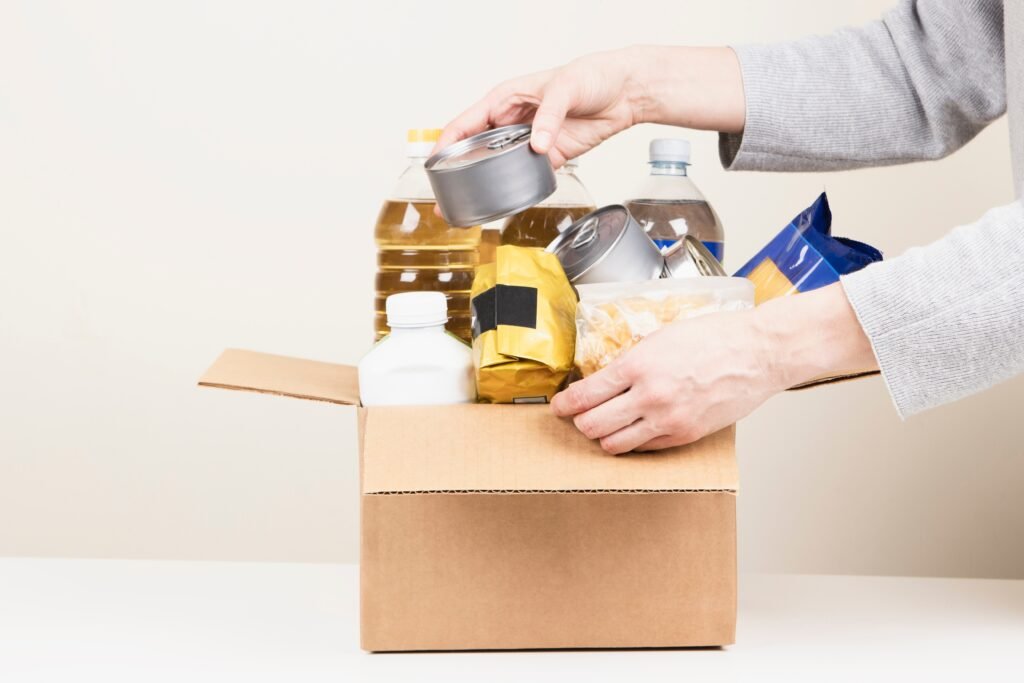
Proper packing and storage are essential to maintain the quality, safety, and accessibility of your emergency food supplies. Follow these guidelines to ensure your 72-hour emergency kit is ready when needed.
Packaging Considerations
- Use original packaging when possible, as it’s designed to maximize shelf life.
- Repackage bulky items into space-efficient containers, such as vacuum-sealed bags or small plastic containers.
- Protect fragile items, such as crackers, with rigid containers to prevent crushing.
- Label everything with contents and expiration dates for easy identification.
- Consider portion sizes to minimize waste once packages are opened.
- Include eating utensils and a small can opener if needed for your food choices.
Storage Environment
The environment where you store your emergency food supplies significantly impacts their shelf life and quality. Aim for these optimal conditions:
- Temperature: Store between 40°F and 70°F (4°C to 21°C) for optimal shelf life.
- Humidity: Keep humidity levels below 15% to prevent mold growth.
- Light exposure: Store in a dark location to prevent nutrient degradation.
- Air exposure: Use airtight containers to prevent oxidation.
- Pest protection: Ensure storage areas are protected from rodents and insects.
Warning: Temperature fluctuations can significantly reduce shelf life. For every 18°F (10°C) increase in storage temperature above 70°F (21°C), the shelf life of many emergency foods may be reduced by 50%.
Pro Tip: Use oxygen absorbers in containers of dry foods such as crackers, cereals, and dried fruits to extend shelf life by preventing oxidation.
Rotation and Maintenance
Even the best emergency food supplies need regular inspection and rotation to ensure they remain fresh and ready for use:
- Check your kit every 6 months to inspect for damaged packaging or expired items.
- Implement a “first in, first out” rotation system when replacing items.
- Create a spreadsheet or calendar with expiration dates to track when items need to be replaced.
- Consider consuming and replacing items before they expire to minimize waste.
- After any emergency in which you use supplies, immediately replace what you’ve used.
| Food Category | Average Shelf Life | Optimal Storage Container | Special Considerations |
| Energy/Protein Bars | 1-2 years | Original packaging | Protect from heat to prevent melting |
| Dried Meats | 1-2 years | Original packaging or vacuum seal | Keep away from moisture |
| Nut Butters | 6-12 months | Original jar or individual packets | Natural oils may separate |
| Trail Mix/Nuts | 3-6 months | Airtight container with oxygen absorber | High fat content can lead to rancidity |
| Freeze-Dried Meals | 25+ years | Original packaging | Protect from punctures and moisture |
| Canned Proteins | 3-5 years | Original can or pouch | Check for dents or bulging |
| Dried Fruits | 6-12 months | Airtight container | May harden over time |
| Instant Cereals | 1-2 years | Original packets | Protect from moisture |
| Crackers/Hard Breads | 6-9 months | Rigid container | Easily crushed, may become stale |
| Powdered Milk | 1-2 years | Airtight container with oxygen absorber | May clump if exposed to moisture |
Budget-Friendly Emergency Food Options
Building a comprehensive 72-hour emergency kit doesn’t have to break the bank. These cost-effective alternatives maintain nutritional value and shelf stability while keeping costs manageable.

Store Brand Alternatives
Many store brands offer quality comparable to name brands at significantly lower prices:
- Store brand granola bars instead of premium energy bars (50-60% savings)
- Generic canned tuna or chicken instead of name brands (30-40% savings)
- Store brand crackers and cereals (40-50% savings)
- Bulk section dried fruits and nuts instead of pre-packaged trail mix (up to 70% savings)
DIY Emergency Food Options
Creating your own emergency food packages can save money while allowing customization:
- Make your own trail mix by combining bulk nuts, dried fruits, and chocolate
- Package instant oatmeal from bulk containers into individual servings
- Create portion-controlled snack packs from larger packages
- Vacuum-seal bulk dry goods like rice, pasta, or beans for a longer shelf life
Strategic Shopping Tips
- Buy in bulk when items are on sale and divide into emergency portions
- Watch for clearance items with distant expiration dates
- Use coupons and rebate apps to reduce costs on name-brand emergency foods
- Consider military surplus stores for discounted MREs and emergency rations
- Shop seasonal sales (back-to-school for granola bars, post-camping season for outdoor meals)
“The key to budget-friendly emergency food preparation is balancing cost with nutrition and shelf life. Focus on calorie-dense, nutrient-rich foods that provide the most value per dollar.”
| Premium Option | Budget Alternative | Approximate Savings | Nutritional Comparison |
| Commercial Freeze-Dried Meals ($8-12 per serving) | Instant Rice & Beans with Spices ($1-2 per serving) | 80-85% | Similar calories and protein, lower sodium in DIY option |
| Energy Bars ($2-3 each) | Store Brand Granola Bars ($0.50-0.75 each) | 65-75% | Slightly lower protein, similar carbohydrates |
| Commercial Trail Mix ($8-10 per pound) | DIY Bulk Ingredient Mix ($3-5 per pound) | 50-60% | Identical when using the same ingredients |
| Beef Jerky ($30-40 per pound) | Canned Chicken or Tuna ($5-7 per pound equivalent) | 80-85% | Similar protein, lower fat in canned options |
| Individual Nut Butter Packets ($0.75-1.00 each) | Portioned from Jar into Containers ($0.20-0.30 per serving) | 70-75% | Identical nutrition |
Common Mistakes to Avoid When Building Your 72-Hour Food Kit
Even with the best intentions, many people make critical errors when assembling their emergency food supplies. Avoid these common pitfalls to ensure your 72-hour kit is truly ready when you need it.
Planning Mistakes
- Ignoring calorie requirements: Adults need 1,500-2,500 calories daily during emergencies. Many kits provide insufficient calories.
- Forgetting dietary restrictions: Medical conditions like diabetes, food allergies, or religious restrictions must be accommodated.
- Not accounting for all family members: Children, the elderly, and pets have different nutritional needs.
- Neglecting psychological factors: Familiar comfort foods boost morale during stressful situations.
Selection Mistakes
- Choosing foods that increase thirst: Overly salty or sweet foods increase water consumption when water may be limited.
- Including foods that require extensive preparation: Complex cooking needs may be impossible during emergencies.
- Selecting foods no one likes: Emergencies are not the time to force-feed disliked foods.
- Prioritizing quantity over quality: Nutrient-dense foods are more important than sheer volume.
Storage and Maintenance Mistakes
- Forgetting to rotate supplies: Emergency food expires and requires regular replacement.
- Improper storage conditions: Heat, humidity, and light exposure drastically reduce shelf life.
- Neglecting water needs: Many emergency foods require water for preparation.
- Using inappropriate containers: Non-food-grade containers can contaminate supplies.
- Failing to include eating utensils: Forgotten can openers or utensils can make some foods inaccessible.
Critical Warning: The most dangerous mistake is the “set it and forget it” mentality. Emergency kits require regular inspection, rotation, and updating to remain effective. Set calendar reminders to check your supplies every six months.
Emergency Food Buyer’s Guide: What to Look For
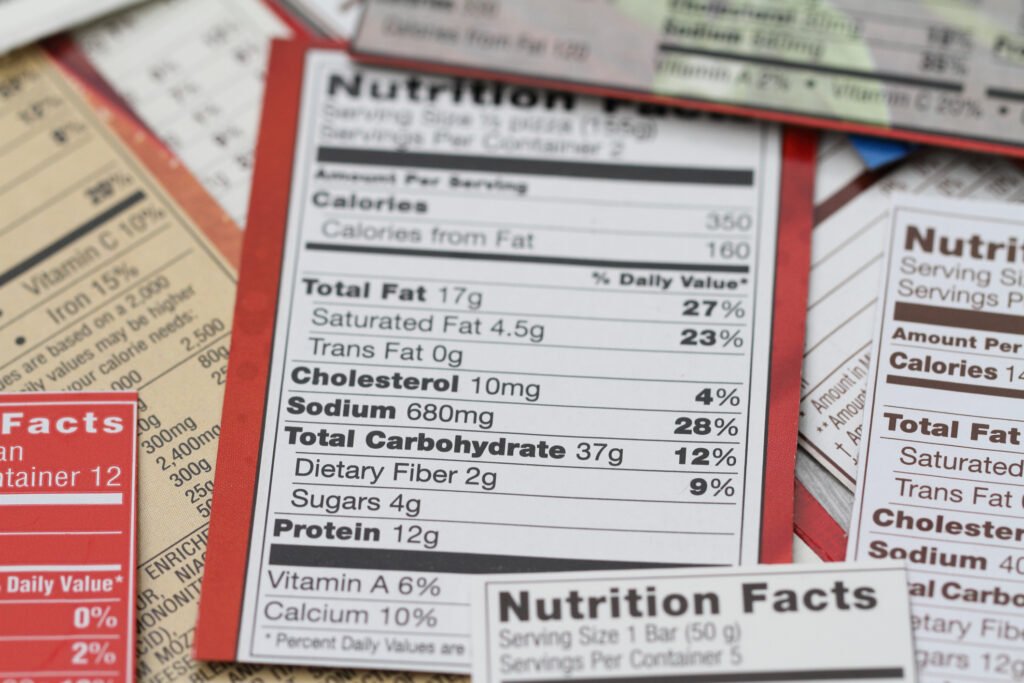
When purchasing prepackaged emergency foods, knowing what to look for helps ensure you get the best value and the nutrition you need.
Key Factors to Consider
Nutritional Considerations
- Calorie density: Look for 1,500-2,500 calories per person per day
- Protein content: Aim for 50-75g of protein daily for adults
- Balanced macronutrients: Appropriate mix of carbs, proteins, and fats
- Essential vitamins and minerals: Particularly important for extended emergencies
- Sodium levels: Lower sodium options reduce thirst and are healthier
Practical Considerations
- Shelf life: Longer is better, with clear expiration dates
- Preparation requirements: Minimal equipment and water needs
- Packaging quality: Durable, waterproof, and resealable when possible
- Portion sizes: Individual servings prevent waste
- Weight and space efficiency: Important for portable kits
Recommended Brands and Products
Mountain House
- 30-year taste guarantee
- Just-add-water preparation
- Wide variety of meal options
- Available in pouches or #10 cans
- Higher price point but excellent quality
ReadyWise
- 25-year shelf life
- Affordable price point
- Grab-and-go bucket options
- Vegetarian options available
- Good calorie-to-cost ratio
Augason Farms
- Budget-friendly options
- Large #10 cans for families
- 25-year shelf life on many items
- Individual ingredients available
- Good for long-term storage
Complete 72-Hour Emergency Food Supply
For a balanced, ready-to-go solution, we recommend the ReadyWise 72-Hour Emergency Food Supply Kit, which includes 32 servings of nutritionally balanced meals with a 25-year shelf life.
Disclosure: As an Amazon Associate, we earn from qualifying purchases.
Frequently Asked Questions About Emergency Food Storage
How many calories should I plan for per person in my 72-hour kit?
For adults, aim for 1,500-2,500 calories per day depending on age, size, and activity level. Children typically need 1,000-2,000 calories depending on age. During emergencies, caloric needs may increase due to stress and physical exertion, so err on the higher side if space and weight allow. Focus on nutrient-dense foods that deliver the most nutrition per ounce.
How much water should I include with my emergency food supply?
The standard recommendation is one gallon (3.8 liters) of water per person per day—half for drinking and half for hygiene and food preparation. For a 72-hour kit, that’s three gallons per person. If weight is a concern, include water purification tablets or a portable filter, along with at least 1 gallon of ready-to-drink water per person.
How do I accommodate dietary restrictions in my emergency kit?
For specific dietary needs:
- Gluten-free: Rice cakes, corn tortillas, gluten-free energy bars, nuts, and dried fruits
- Diabetic-friendly: Low-sugar options like nuts, jerky, and specific low-glycemic freeze-dried meals
- Vegetarian/Vegan: Nuts, nut butters, certain freeze-dried meals, dried fruits, and plant-based protein bars
- Food allergies: Carefully read all labels and consider medical-grade emergency food options specifically formulated for allergy sufferers
Always clearly label special dietary items in your kit to avoid confusion during emergencies.
What’s the difference between freeze-dried and dehydrated emergency foods?
Freeze-dried foods: Flash-frozen, then placed in a vacuum chamber where ice sublimates directly to vapor. This preserves structure, flavor, and nutrients better than other methods. Rehydrates quickly with cold or hot water. Typically more expensive but has superior taste and texture when reconstituted.
Dehydrated foods: Moisture removed through heat and air flow. More compact than freeze-dried, but often has a chewier texture when reconstituted and may lose more nutrients during processing. Usually requires hot water and longer soaking times. Less expensive but may have shorter shelf life (5-15 years vs. 25-30 years for freeze-dried).
How often should I rotate food in my emergency kit?
Inspection and rotation schedules depend on the food types in your kit:
- Every 6 months: Check all items, inspect packaging for damage, and verify expiration dates
- Annually: Replace items nearing expiration, particularly energy bars, crackers, and other shorter-shelf-life items
- Every 2-5 years: Replace canned goods and other medium-shelf-life items
- Every 10-15 years: Replace properly stored freeze-dried foods (though many have 25-30 year ratings)
Create a spreadsheet or use a reminder app to track expiration dates for all items in your kit.
Conclusion: Building Your Personalized 72-Hour Emergency Food Kit
Creating an effective 72-hour emergency food kit is a vital step in overall emergency preparedness. By selecting appropriate foods, storing them properly, and maintaining your supplies, you ensure that your family has the nutrition needed during critical situations.
Remember that the best emergency kit is one tailored to your specific needs, preferences, and circumstances. Consider your family’s dietary requirements, potential emergencies in your region, and practical constraints such as storage space and portability when making your selections.
Start with the essentials outlined in this guide, then gradually expand and refine your supplies as you learn more about emergency preparedness. Even a basic kit is better than no preparation.
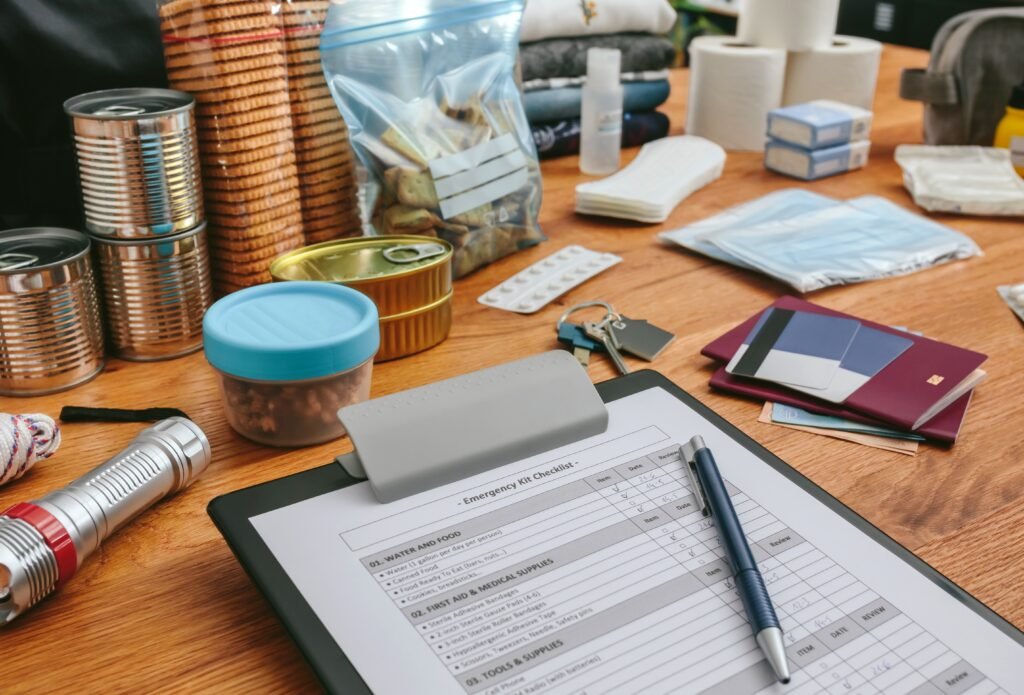
Remember: Your emergency food supply is only one component of a comprehensive emergency preparedness plan. Be sure to also address water, shelter, first aid, communication, and other essential needs in your overall preparations.
Calculate Your Exact Emergency Food Needs
Our free Emergency Food Calculator helps you determine the precise amount of food, water, and supplies your household needs, based on family size, dietary requirements, and the duration of the emergency.