
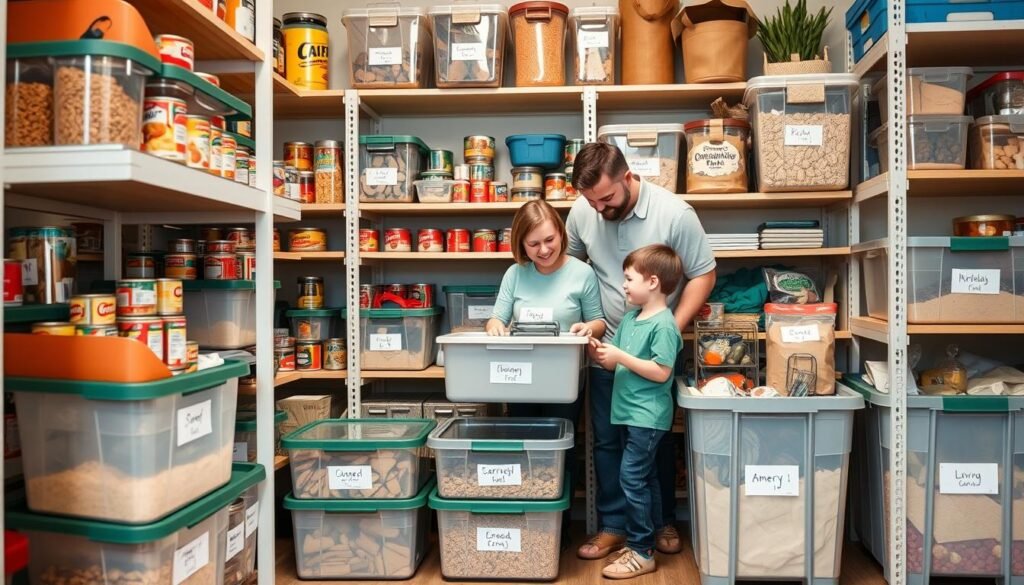
When disaster strikes, having a well-stocked emergency food supply can mean the difference between comfort and crisis. Whether you’re concerned about natural disasters, power outages, or simply want peace of mind, learning proper emergency food storage tips is an essential life skill. This beginner-friendly guide will walk you through creating a sustainable, affordable food storage system that works for your unique situation.
Building an emergency food pantry doesn’t have to be overwhelming or expensive. With the right approach, you can gradually develop a robust food storage system that provides security for your household during unexpected events. Let’s explore how to get started with DIY food storage that’s practical, budget-friendly, and tailored to your family’s needs.
Why DIY Emergency Food Storage Matters
Creating your own emergency food storage system offers several advantages over pre-made emergency kits. Not only can you customize your supply to match your dietary preferences and restrictions, but you’ll also save money by purchasing items in bulk and during sales. DIY food storage gives you complete control over the quality and variety of your emergency supplies.
Key Benefits of DIY Emergency Food Storage
- Cost-effective compared to pre-packaged emergency food kits
- Ability to accommodate dietary restrictions and preferences
- Opportunity to build gradually without financial strain
- Control over food quality and nutritional content
- Reduced food waste through proper rotation systems
- Peace of mind during unexpected emergencies
Common Emergency Scenarios
- Natural disasters (hurricanes, floods, blizzards)
- Extended power outages
- Supply chain disruptions
- Personal financial emergencies
- Medical situations requiring home isolation
- Regional emergencies affecting food distribution
According to emergency management experts, most households should aim to store at least a two-week supply of food and water. However, many preparedness specialists recommend building toward a one to three-month supply for comprehensive protection against various scenarios. The good news is that you can start small and expand your storage over time.
Essential Supplies for Emergency Food Storage
Before you begin collecting food items, it’s important to gather the right storage supplies. These tools will help maximize shelf life and protect your investment from the three main enemies of food storage: oxygen, moisture, and pests.
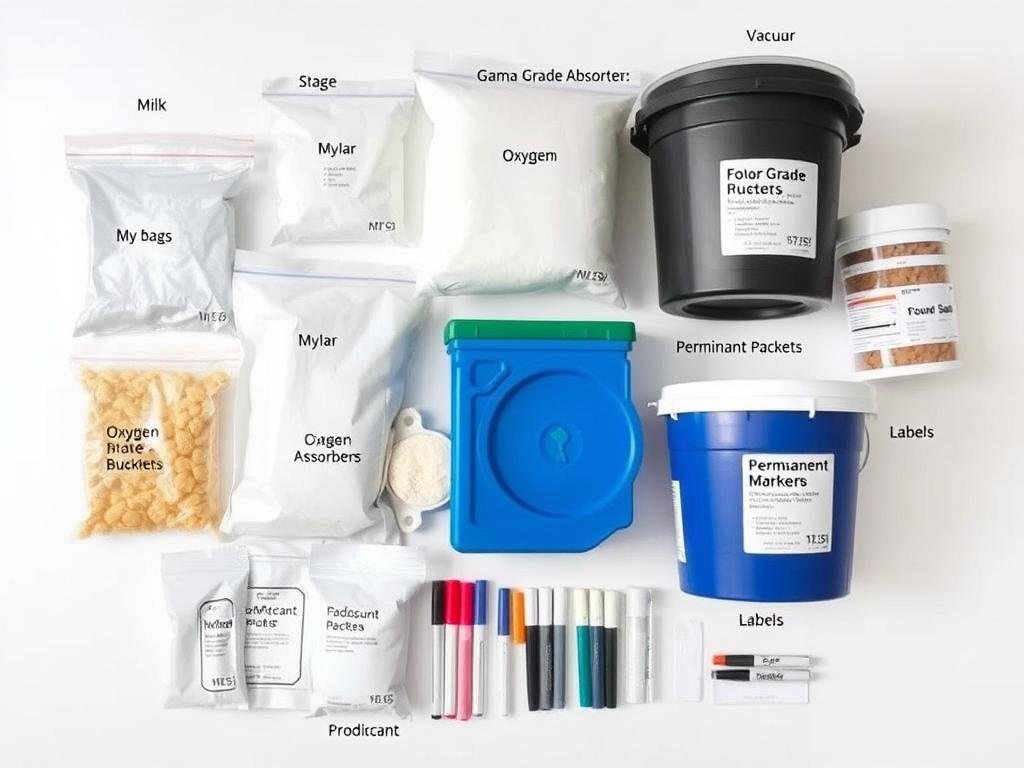
Must-Have Storage Containers and Tools
Mylar Bags
These metallic-looking bags create an oxygen and moisture barrier that significantly extends shelf life. Available in various sizes, they’re perfect for storing dry goods like rice, beans, and flour.
Oxygen Absorbers
These small packets remove oxygen from sealed containers, preventing oxidation and extending shelf life. Essential for long-term storage of most dry goods with less than 10% moisture content.
Food-Grade Buckets
These durable 5-gallon buckets with gamma seal lids provide excellent protection against pests and physical damage. Perfect for storing sealed Mylar bags of food.
Additional Helpful Tools
Vacuum Sealer
Ideal for storing smaller quantities of food or items you’ll access more frequently. Removes air and creates a tight seal to extend shelf life.
Desiccant Packets
These moisture-absorbing packets help keep dry goods free from humidity. Use them with items that shouldn’t be stored with oxygen absorbers.
Labels and Markers
Essential for tracking contents and expiration dates. Waterproof labels and permanent markers ensure your information remains legible over time.
Pro Tip: When starting out, don’t feel pressured to buy everything at once. Begin with basic Mylar bags and oxygen absorbers, then gradually add other tools as your storage system expands.
Selecting the Right Foods for Long-Term Storage
Not all foods are suitable for long-term emergency storage. Focus on items with extended shelf life, high nutritional value, and versatility in meal preparation.
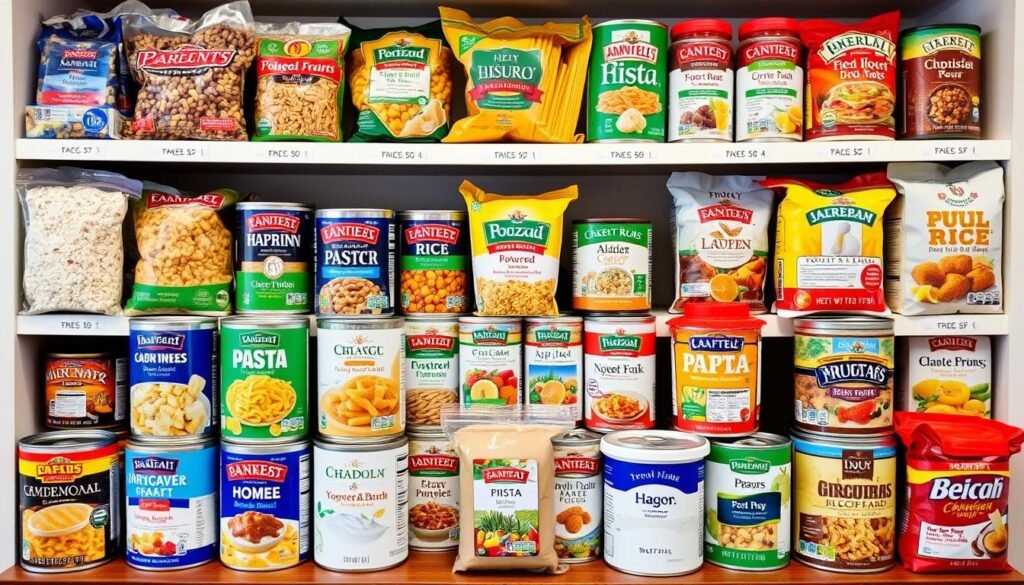
Foods with 10+ Year Shelf Life
- White Rice – Versatile carbohydrate that stores for 25-30 years when properly packaged
- Dried Beans – Excellent protein source with 25-30 year shelf life when stored correctly
- Wheat Berries – Can be ground into flour or cooked whole; lasts 25-30 years
- Rolled Oats – Nutritious breakfast option with 25-30 year shelf life
- Pasta – Simple carbohydrate that lasts 25-30 years in proper storage
- Honey – Natural sweetener that never spoils if kept sealed
- Salt – Essential mineral and preservative with indefinite shelf life
- Sugar – Calorie-dense energy source that lasts indefinitely
- Dried Corn – Versatile grain that lasts 25+ years when properly stored
- Powdered Milk – Important calcium source with 20+ year shelf life
Foods with 2-5 Year Shelf Life
- Canned Meats – Protein source with 3-5 year shelf life
- Canned Vegetables – Essential nutrients with 3-5 year shelf life
- Canned Fruits – Vitamin source with 2-3 year shelf life
- Peanut Butter – Protein and healthy fats, lasts 2-3 years
- Dried Fruits – Natural sugars and fiber, lasts 2-5 years
- Nuts and Seeds – Healthy fats and protein, 1-2 years in proper storage
- Cooking Oils – Essential for food preparation, 1-2 years unopened
- Powdered Eggs – Protein source with 5-10 year shelf life
- Freeze-Dried Meals – Convenient complete meals, 25+ years
- Bouillon Cubes – Flavor enhancers, 2-3 years
Important: When storing foods with oil content (like nuts or whole grain flour), be aware that oils can go rancid over time. These items generally have shorter shelf lives and should be rotated more frequently.
Comparing Long-Term Food Storage Methods
Different storage methods offer varying levels of protection and convenience. Understanding the pros and cons of each will help you choose the right approach for your specific needs.
| Storage Method | Cost | Durability | Shelf Life | Ease of Use | Best For |
| Mylar Bags + Oxygen Absorbers | Low-Medium | High | 20-30 years | Medium | Dry goods (rice, beans, flour) |
| Food-Grade Buckets | Medium | Very High | 5-10 years | High | Protecting Mylar bags, bulk storage |
| Vacuum Sealed Bags | Medium | Medium | 3-5 years | High | Frequently accessed items |
| Canning (Home) | Medium-High | High | 1-5 years | Low | Fruits, vegetables, meats |
| Freeze Drying | Very High | Very High | 25+ years | Medium | Meats, fruits, complete meals |
| Commercial Cans | Low | High | 2-5 years | Very High | Ready-to-eat foods, beginners |
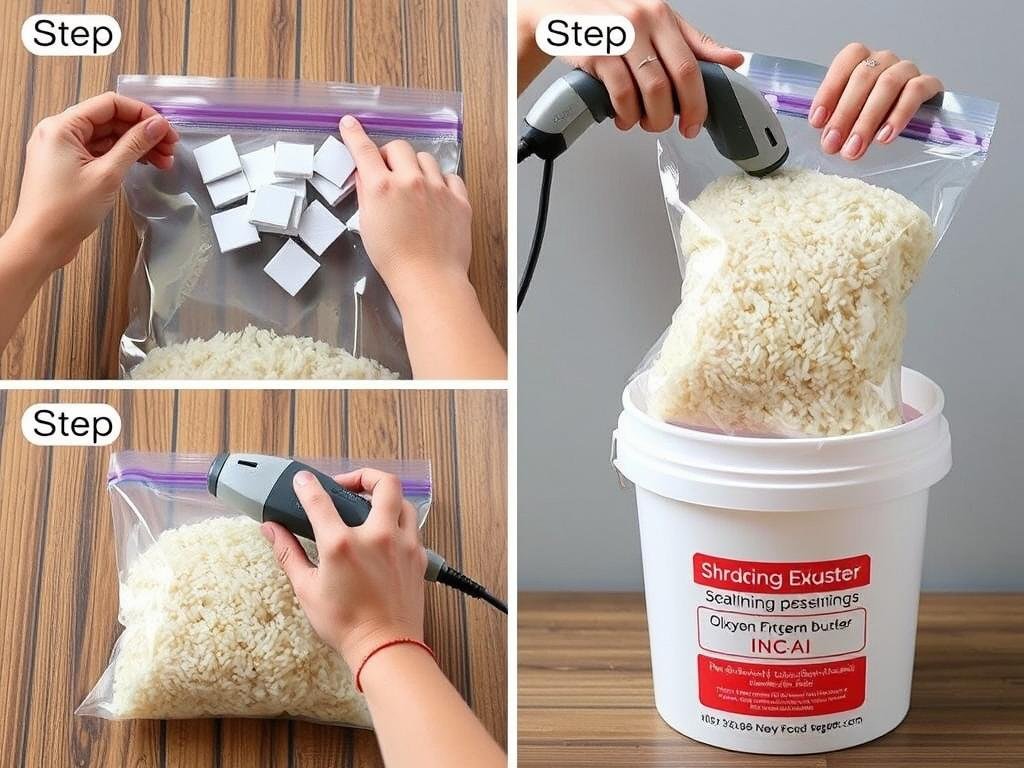
“The best emergency food storage system combines multiple methods. Use Mylar bags with oxygen absorbers inside food-grade buckets for your long-term staples, and supplement with commercially canned goods for variety and convenience.”
Step-by-Step Guide to Building Your Emergency Food Storage
Follow this systematic approach to create an effective emergency food storage system without feeling overwhelmed. Remember, building your supply gradually is perfectly acceptable.
1. Assess Your Household Needs
- Calculate daily calorie requirements – Most adults need 1,500-2,500 calories per day. Children, pregnant women, and physically active individuals may need more.
- Consider dietary restrictions – Account for allergies, medical conditions, and food preferences when planning your storage.
- Determine storage duration – Decide whether you’re preparing for short-term emergencies (2 weeks) or longer situations (3+ months).
- Create a food inventory spreadsheet – Document what you already have and what you need to acquire.
2. Start with the Basics
- Begin with a two-week supply – Focus on shelf-stable items your family already eats.
- Prioritize calorie-dense staples – Rice, beans, pasta, and oats provide substantial nutrition at low cost.
- Add protein sources – Canned meats, beans, and peanut butter are excellent options.
- Include comfort foods – Items like chocolate, coffee, or favorite snacks boost morale during stressful situations.
3. Implement Proper Storage Techniques
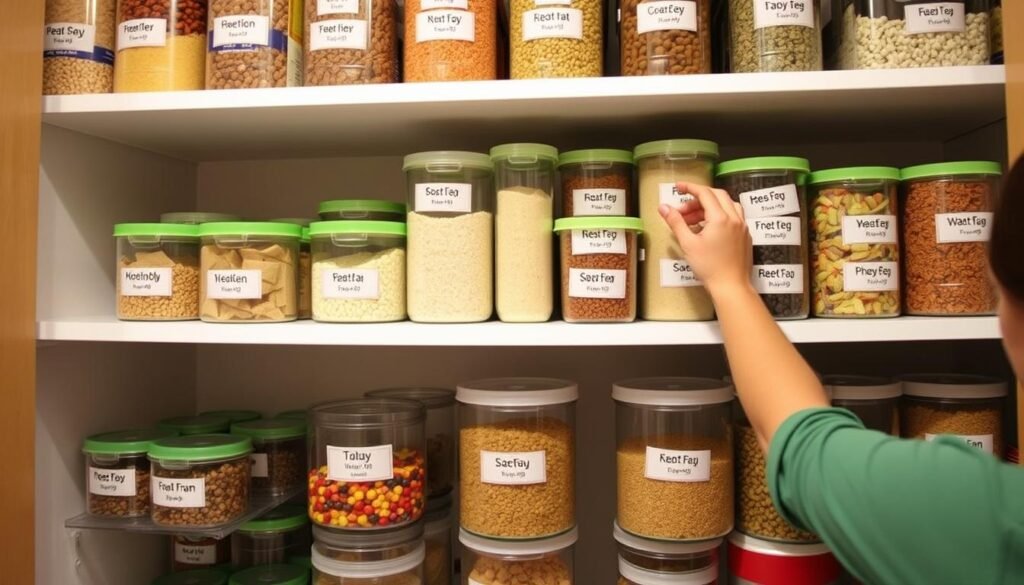
- Package dry goods in Mylar bags – Fill bags 80-90% full, add appropriate oxygen absorbers, and seal with an iron or heat sealer.
- Label everything clearly – Include contents, packaging date, and expected shelf life.
- Store in food-grade buckets – Place sealed Mylar bags in buckets for additional protection.
- Keep in cool, dry location – Maintain storage area between 50-70°F (10-21°C) with humidity below 15% if possible.
4. Develop a Rotation System
- Organize by expiration date – Place items with shortest shelf life in front for easy access.
- Create a “use and replace” schedule – Regularly incorporate storage items into your meal planning.
- Conduct quarterly inventory checks – Review your supplies and replace any used or expired items.
- Update your inventory spreadsheet – Keep accurate records of what you have and what needs replacement.
Beginner Tip: Start with the “store what you eat, eat what you store” principle. Focus on stocking shelf-stable versions of foods your family already enjoys to ensure rotation and reduce waste.
Budget-Friendly Emergency Food Storage Tips
Building an emergency food supply doesn’t have to break the bank. These cost-saving strategies will help you develop a robust storage system on virtually any budget.
Smart Shopping Strategies
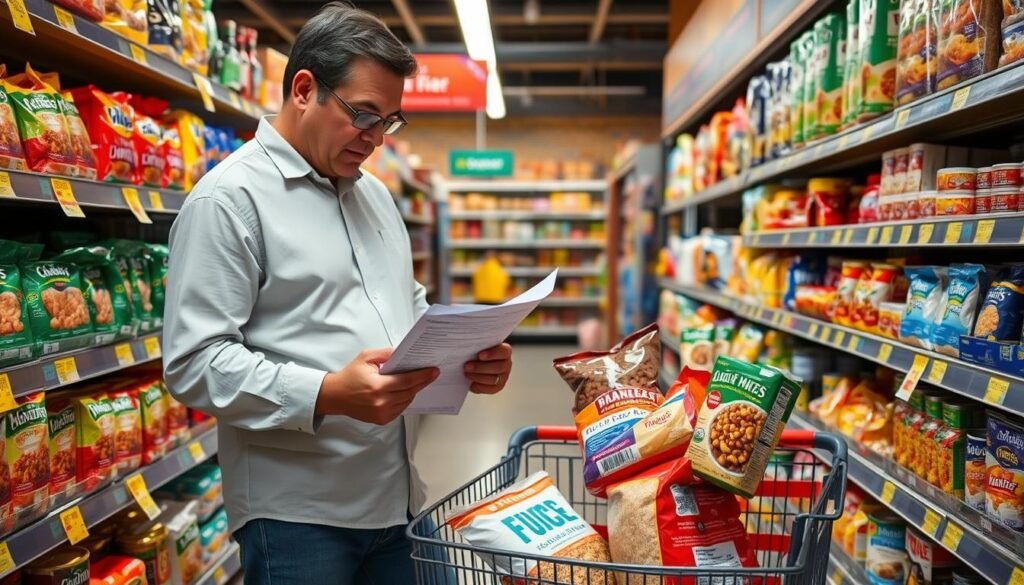
- Buy in bulk – Purchase staples like rice, beans, and oats from warehouse stores or bulk bins
- Watch for sales – Stock up on canned goods during case lot sales (often 20-30% off)
- Use coupons strategically – Combine manufacturer coupons with store sales for maximum savings
- Shop discount grocery outlets – These stores often offer significant savings on canned and packaged foods
- Purchase a little each week – Add $5-10 of storage items to your regular shopping to build gradually
DIY Food Preservation
- Learn basic canning – Preserve seasonal produce when prices are lowest
- Dehydrate fruits and vegetables – Use a food dehydrator or oven to create long-lasting snacks
- Make your own mixes – Create DIY versions of pancake mix, soup mixes, and other convenience foods
- Repackage bulk purchases – Divide large quantities into Mylar bags for longer shelf life
- Grow sprouts – Stock sprouting seeds to grow fresh greens during emergencies
“The most cost-effective emergency food storage strategy is to build your supply gradually during sales, rather than panic-buying at premium prices during a crisis.”
Budget Hack: Create a “food storage fund” by setting aside a small amount each month specifically for building your emergency supplies. Even $20-30 monthly can significantly expand your storage over time.
Safety Tips for Long-Term Food Storage
Proper storage techniques are essential to ensure your emergency food remains safe and nutritious when you need it most. Follow these guidelines to protect your investment and your family’s health.
Preventing Common Storage Problems
Do’s
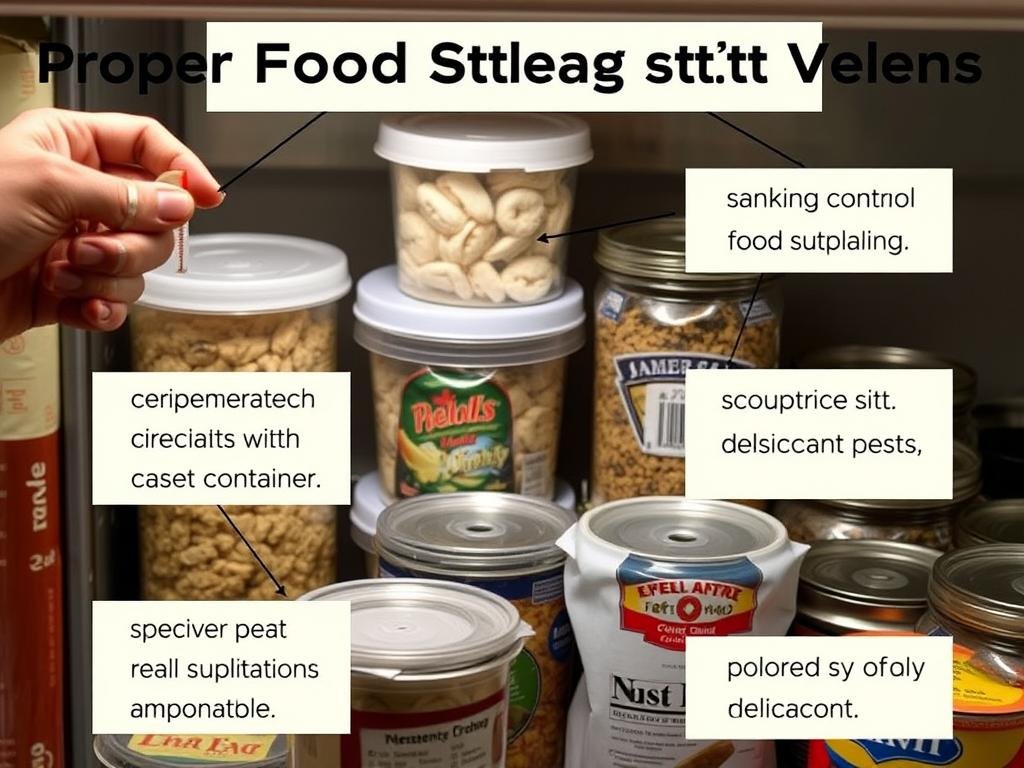
- Store food in cool, dry, dark locations (50-70°F ideal)
- Use appropriate oxygen absorbers for dry goods
- Rotate stock regularly using FIFO (First In, First Out)
- Keep storage areas clean and pest-free
- Label all containers with contents and dates
- Store food at least 6 inches off the floor
- Check stored food periodically for signs of spoilage
Don’ts
- Store food in direct sunlight or near heat sources
- Use containers that previously held non-food items
- Store food in areas prone to temperature fluctuations
- Use oxygen absorbers with high-moisture foods (risk of botulism)
- Store food directly on concrete floors (can transfer moisture)
- Ignore expiration dates on commercially packaged foods
- Use damaged cans or packages with broken seals
Signs of Food Spoilage to Watch For
Visual Indicators
- Mold growth or unusual discoloration
- Bulging or leaking cans
- Broken seals on packages
- Pest damage (holes, droppings)
- Crystallization or unusual texture changes
Smell and Taste Indicators
- Rancid or “off” odors
- Fermented or alcoholic smells
- Unusual bitterness or sourness
- Chemical or metallic tastes
- Any taste that seems “wrong”
Safety Warning: When in doubt, throw it out! Never taste food you suspect may be spoiled. Botulism and other foodborne illnesses can be life-threatening, especially during emergencies when medical care may be limited.
Real-Life Emergency Food Storage Success Stories
Learning from others’ experiences can provide valuable insights for your own emergency preparedness journey. These real-life examples demonstrate how proper food storage made a critical difference during unexpected situations.
Winter Storm Survival
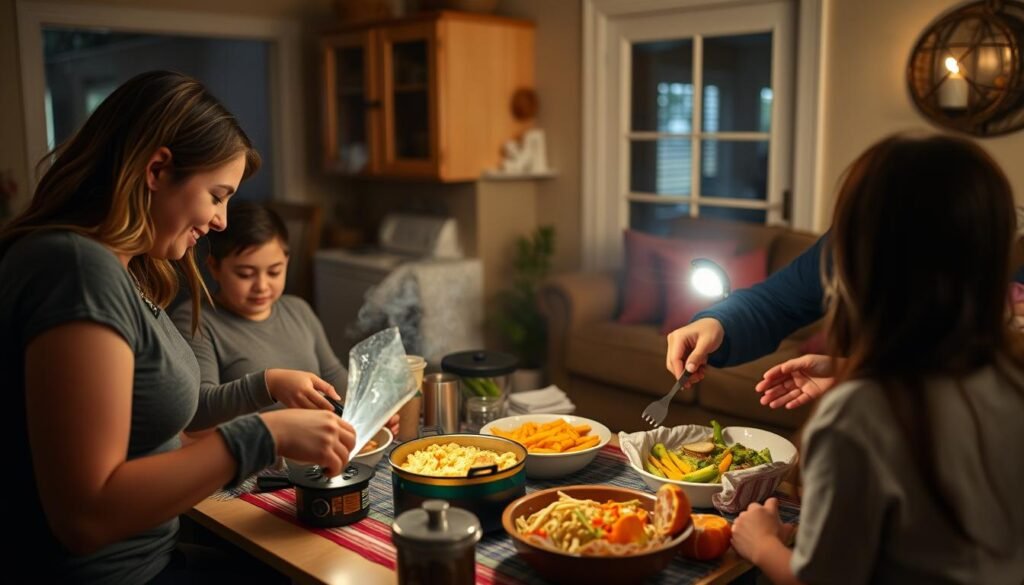
When a severe winter storm knocked out power for 10 days in rural Minnesota, the Johnson family relied entirely on their emergency food storage. Their system of rotating canned goods, along with a supply of freeze-dried meals and properly stored dry staples, provided balanced nutrition throughout the ordeal.
“We were so grateful for our food storage system,” says Sarah Johnson. “While neighbors struggled to find open stores or navigate icy roads, we had everything we needed right at home. The comfort foods we had included, like hot chocolate and cookies, were especially appreciated by our children during a stressful time.”
Financial Emergency Resilience
After unexpectedly losing his job, Miguel Rodriguez relied on his emergency food storage to feed his family for three months while searching for new employment. His systematic approach to building supplies during sales and clearances meant his family had access to nutritious meals despite severe budget constraints.
“Our emergency food wasn’t just for natural disasters,” Miguel explains. “When our financial disaster hit, having three months of food already paid for meant we could direct our limited funds to keeping the lights on and the mortgage paid. It was a genuine lifesaver.”
Hurricane Preparedness Success
When Hurricane Maria devastated Puerto Rico in 2017, Elena Vasquez’s family was prepared with a six-month supply of properly stored food and water. Their careful planning meant they could not only feed themselves but also assist neighbors during the prolonged recovery period.
“Having our emergency food storage properly organized made all the difference,” Elena recalls. “We knew exactly what we had, where it was, and how to use it efficiently. The rotation system we had in place meant nothing was expired, and we had a good variety of foods to maintain nutrition during a very difficult time.”
Key Takeaway: These real-life examples highlight the importance of not just storing food, but creating a comprehensive system that includes rotation, variety, and practical knowledge of how to use your supplies effectively.
Integrating Emergency Food Storage into Your Home
One of the biggest challenges for many beginners is finding space for emergency food storage. These creative solutions can help you incorporate your supplies into various home setups, from small apartments to larger homes.

Storage Solutions for Different Living Situations
Small Apartments
- Utilize under-bed storage containers
- Replace coffee tables with storage ottomans
- Install ceiling-mounted shelf racks
- Use vertical space with tall, narrow shelving
- Convert closet floors to storage space
Standard Homes
- Dedicate a closet to emergency supplies
- Use space under stairs for storage
- Install additional pantry shelving
- Utilize garage wall space with shelving
- Create “false bottoms” in deep drawers
Rural Properties
- Create a dedicated root cellar
- Convert an outbuilding for storage
- Use crawl spaces with moisture barriers
- Install basement shelving systems
- Utilize attic space with proper temperature control
Temperature and Humidity Considerations
The location of your emergency food storage significantly impacts shelf life. Ideal conditions include:
- Temperature: 50-70°F (10-21°C) – Cooler temperatures extend shelf life
- Humidity: Below 15% if possible – Higher humidity accelerates spoilage
- Light exposure: Minimal to none – Light degrades nutrients and packaging
- Air circulation: Moderate – Prevents moisture buildup
- Pest access: None – Sealed rooms or containers prevent infestation
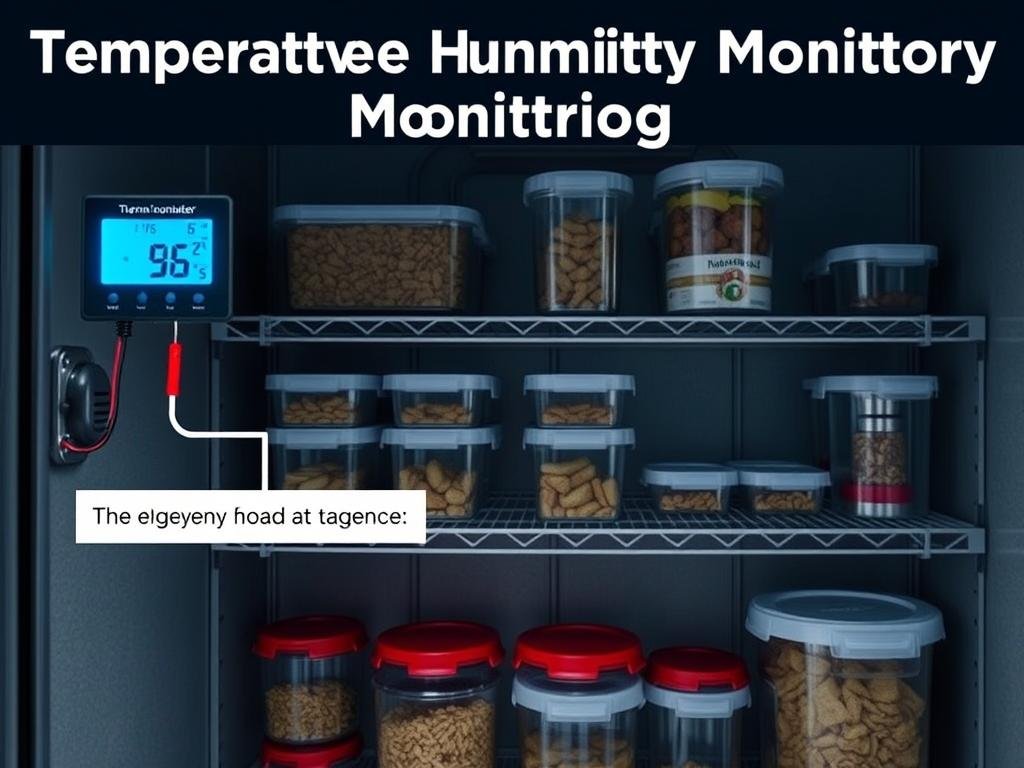
Monitoring Tip: Invest in an inexpensive temperature and humidity monitor for your storage area. Regular checks can help you identify and address conditions that might compromise your food supply before damage occurs.
Frequently Asked Questions About Emergency Food Storage
New to emergency food storage? These common questions and answers will help address typical concerns and provide practical guidance for beginners.
How much food should I store for emergencies?
Most emergency preparedness experts recommend starting with a two-week supply and gradually building to three months or more. Calculate approximately 1,500-2,500 calories per person per day, depending on age, size, and activity level. Don’t forget to account for pets in your planning.
What foods have the longest shelf life for emergency storage?
When properly packaged with oxygen absorbers in Mylar bags and stored in ideal conditions, these foods have 25+ year shelf lives: white rice, dried beans, wheat berries, rolled oats, pasta, honey, salt, and sugar. Commercially packaged freeze-dried foods also typically last 25-30 years.
How do I store water for emergencies?
Store at least one gallon of water per person per day (half for drinking, half for hygiene and food preparation). Use food-grade containers, commercially bottled water, or water preserver drops for DIY storage. Rotate stored water every 6-12 months unless using commercial preservatives, which can extend shelf life to 5 years.
Can I store food in my garage or attic?
Garages and attics typically experience extreme temperature fluctuations that significantly reduce food shelf life. These locations are generally not recommended unless you live in a region with very stable temperatures. Better options include interior closets, under beds, or basement areas that maintain more consistent temperatures.
How do I create a food rotation system?
Implement a “First In, First Out” (FIFO) system by clearly labeling all items with purchase and expiration dates. Place newer items behind older ones on shelves. Create an inventory spreadsheet to track what you have and when it expires. Schedule regular reviews (quarterly works well) to use items approaching expiration and replace them with fresh stock.
What should I do with food nearing its expiration date?
Incorporate these items into your regular meal planning before they expire. Donate still-good items to food banks if you can’t use them (many accept food up to 6 months past “best by” dates). For bulk items like rice or beans, consider repackaging with new oxygen absorbers to extend shelf life if the food still looks and smells good.
Start Building Your Emergency Food Storage Today
Creating an effective emergency food storage system doesn’t happen overnight, but taking the first step today puts you on the path to greater security and peace of mind. Remember that even a small supply is better than none at all, and you can build gradually as your budget and space allow.
By following the emergency food storage tips in this guide, you’re taking a proactive approach to protecting yourself and your loved ones during unexpected situations. Start with the basics, focus on foods your family already enjoys, and gradually expand your supplies using the storage methods that work best for your situation.
Ready to Take Your Emergency Preparedness to the Next Level?
Subscribe to our newsletter for regular tips, exclusive guides, and special offers on emergency preparedness supplies. Join thousands of prepared families who receive our monthly updates.
Remember, the best emergency plan is the one you create before you need it. Start your food storage journey today, even if it’s just by purchasing a few extra canned goods or organizing what you already have. Your future self will thank you!